Field note
When the Cohuttas Turn: An Autumn Field Note
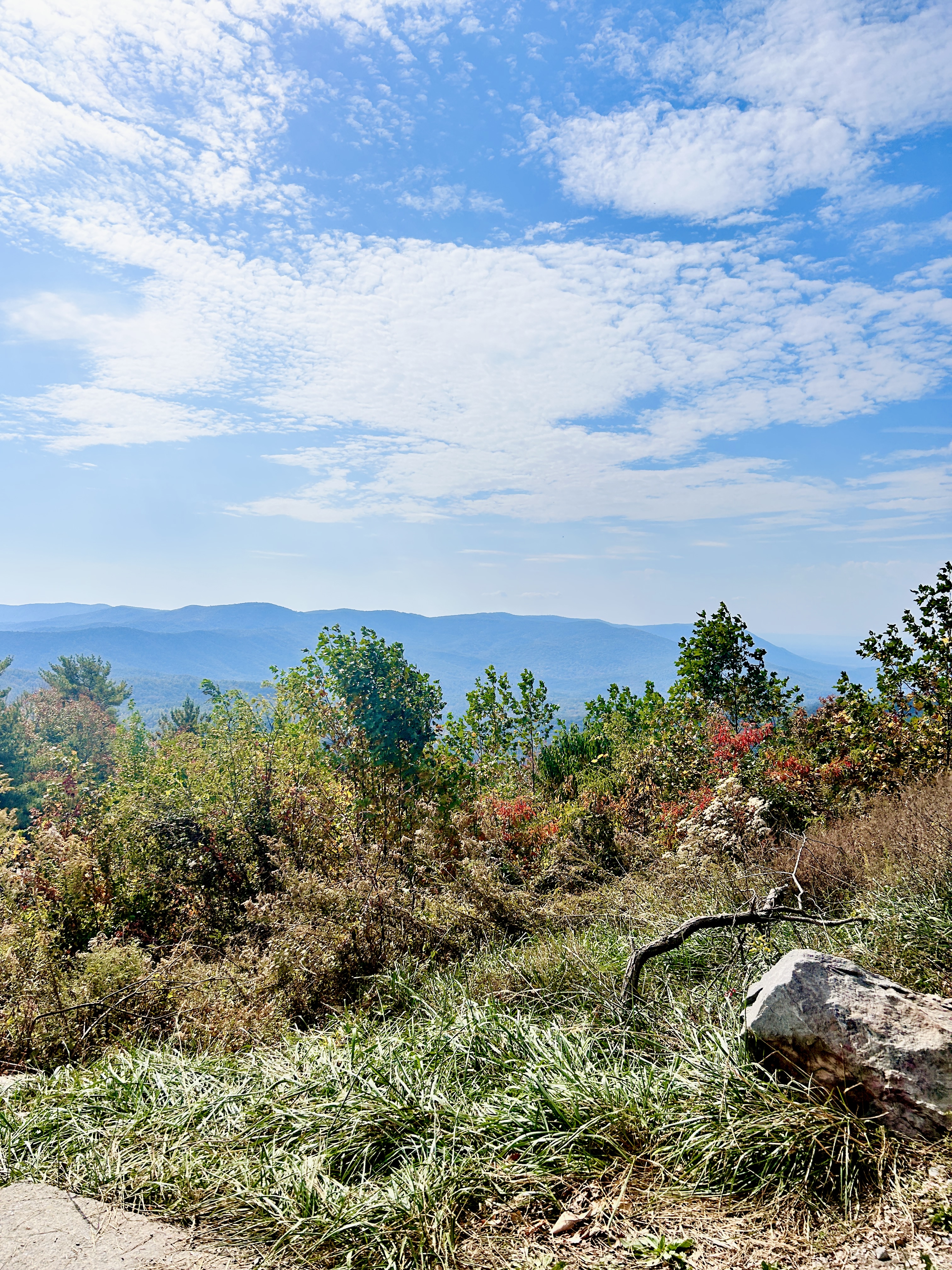
Fall comes to these mountains from the top down. The high ridges turn first, usually in early October, and the color slides downhill week by week until it reaches the valley floors near the end of the month and hangs on, some years, into the first days of November. The sourwoods go early and go crimson. The maples follow in orange. The oaks take their time and close out the season in bronze and rust, still holding leaves after everything else has quit. From the porch you can watch the whole procession move down the far ridge like a slow tide running in reverse.
What it means at camp. Cold mornings, and fog on Holly Creek that burns off by nine. Frost on the boards of the bridge. The stove earns its keep, and one evening fire holds its heat deep into the night, which is the whole argument for soapstone. Fire pit evenings stretch longer, and the hot tub, frankly, was built for exactly this air. And as the leaves come down, the ridgelines reappear and the view from the porch grows a little longer every week, which is the consolation autumn offers for ending.
Apple season. Ellijay is Georgia's apple capital and takes the title seriously. The orchards and apple houses along Highway 52 hit their stride in September and October, selling apples by the half-peck alongside fried pies that justify the drive on their own merits. The Georgia Apple Festival lands in mid-October and fills the town to the curbs. Our advice is to hit the apple houses on a weekday morning, load the car, and be back at the creek by lunch, while the rest of Georgia is still circling for parking.
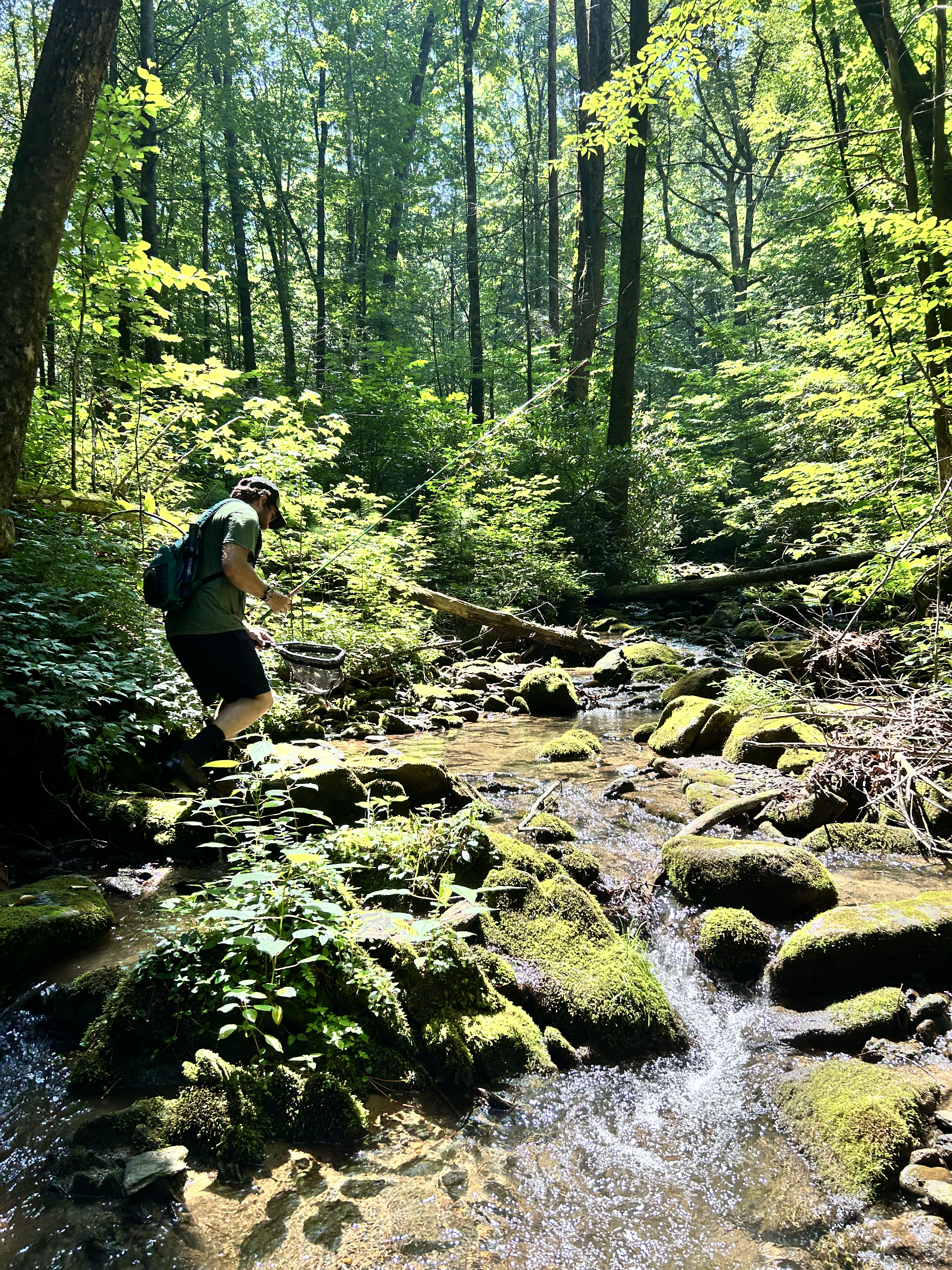
On the water. Fall is a quietly excellent season on the creek. The summer crowds thin out of the forest, the water cools, the trout feed hard ahead of winter, and the browns put on their spawning colors, copper and gold like the hillsides above them. If you fish, bring the rod. If you do not, bring the camera and stand on the bridge at eight in the morning, when the fog and the color are doing their best work at the same time.
On the trails. October is the year's best argument for walking. The air finally cooperates, the long views return as the canopy opens, and places like Bear Creek Overlook and the old stone wall on Fort Mountain are at their finest in sweater weather. Even the gravel road to camp gets in on it, running the last few miles through a tunnel of yellow that makes the drive in feel like part of the stay, which, around here, it always was.
A word about the calendar. We will be honest with you, because honesty is the house policy. October weekends at camp go first every year, and they go early, mostly to people who stood on the bridge the previous October and made themselves a promise. If fall in the mountains is the trip you have been meaning to take, mean it a little sooner. The leaves keep their own schedule, and so, it turns out, do everyone else's.
The rest of the year we will tell you the Cohuttas are a four-season range, and we will mean it. Spring has the wildflowers and the loud water, summer has the creek and the cool nights, winter has the bare long views and the stove. But October has the whole valley burning gold over trout water, and there is no use pretending that is an ordinary thing.